Description
1. Small Businesses: Resilient but Resource-Constrained
Micro and small enterprises continue to be the backbone of local economies, yet they face disproportionate challenges in accessing financial services. 74% of small businesses were negatively impacted by recent economic disruptions, with revenue and margins under pressure. They need basic banking services that are accessible, affordable, and responsive.
2. The Shift to Conscious Digitization
Digitization is no longer optional. Over the past year:
- 43% of SMEs increased their use of online banking via desktop, and
- 40% adopted mobile banking more actively.
Micro firms, often with limited staff and tech capabilities, are turning to e-commerce platforms and mobile-first banking to manage cash flow and payments. Banks must ensure that digital channels are intuitive, multilingual, and low-cost to serve this segment effectively.
3. Rethinking SME Segmentation
Traditional segmentation models – based on revenue or headcount – are being phased out. Instead, banks are adopting behavioral and needs-based segmentation, recognizing that a sole proprietor selling handmade goods online has vastly different needs than a small manufacturer with ten employees.
This shift allows banks to tailor offerings such as:
- Microloans with flexible repayment terms
- Digital onboarding and KYC for sole traders
- Cash flow forecasting tools for seasonal businesses
4. Integrated Ecosystems and Platform Banking
Banks are beginning to act as platform orchestrators, connecting MSEs not just to financial products but to broader ecosystems—accounting tools, inventory management, and even mentorship networks. This model helps micro firms grow sustainably without needing large capital injections.
5. ESG and Financial Inclusion
Environmental, social, and governance (ESG) considerations are becoming more relevant, even for small businesses. Banks are offering green micro-finance products, and some are piloting ESG scoring models that reward sustainable practices with better loan terms.
What Banks Must Do Now
To serve micro and small businesses effectively, SME banking teams should:
- Simplify access to credit through low-documentation, digitally enabled microloans.
- Invest in mobile-first platforms with embedded financial education.
- Offer bundled services (e.g., payments + invoicing + tax support) tailored to sole traders and small teams.
- Build trust through human support, especially for first-time borrowers and informal businesses.
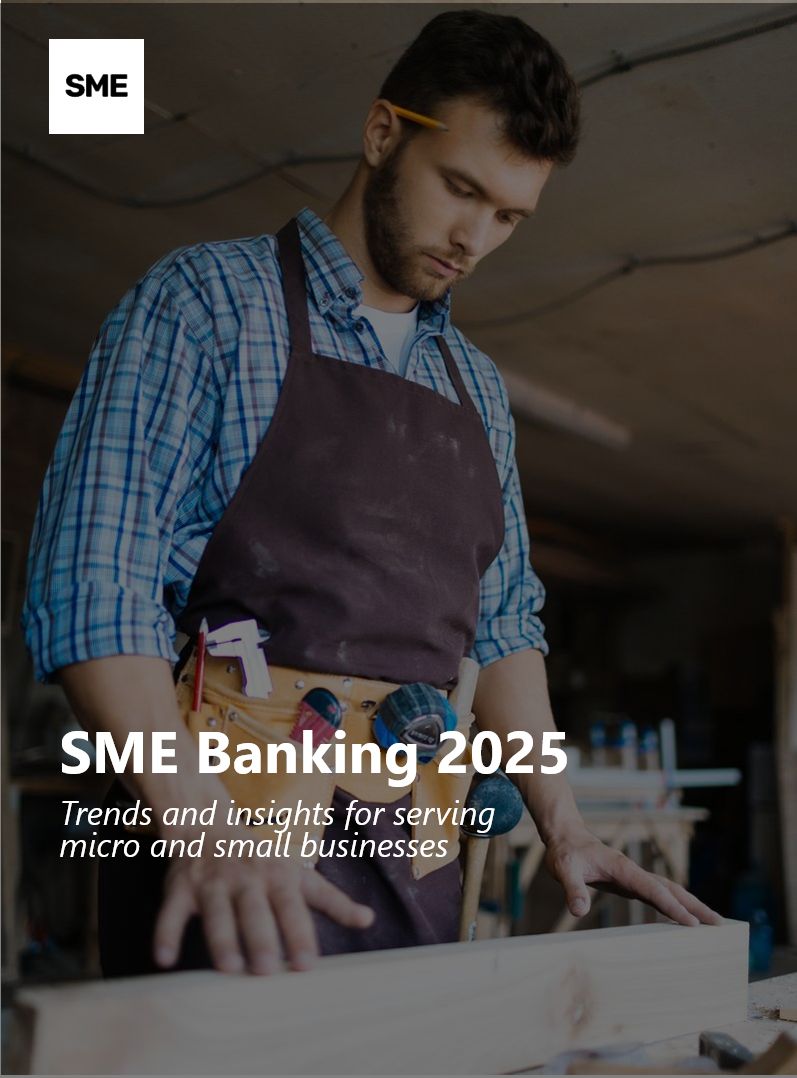
To get access to the materials, click the “Download report” button above.
For additional questions or custom research, contact us at hello@smebanking.agency