Description
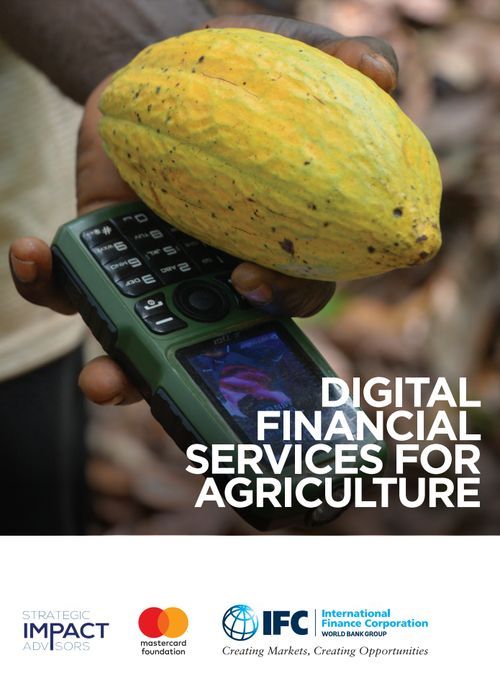
Small-scale farms in emerging markets play a vital role in feeding domestic populations and meeting international demand for agricultural commodities. Smallholder farming households in Sub-Saharan Africa (SSA), for example, manage as much as 80 percent of the region’s farmland. The SSA food market alone is currently valued at $300 billion and maybe worth nearly $1 trillion by 2030. Despite the important role of smallholder farming households, they have been largely excluded from the formal financial system and have been for decades. An estimated 1 percent of bank lending in Africa is allocated to the agriculture sector. Yet, agriculture contributes to almost 18 percent of GDP across SSA. Recent estimates put the demand for smallholder farmer financing to exceed $200 billion for approximately 270 million SHF in Latin America, Sub-Saharan Africa, and South and Southeast Asia. Beyond access to working capital, smallholder farmers and other agri-value chain actors lack financial products – savings, insurance, and payments – appropriately tailored to their needs in terms of design, accessibility, and affordability.